Causes of Glutathione Depletion: Aging Chronic stress Poor diet (low in sulfur-rich foods) Toxin exposure (pollution, alcohol, drugs) Certain diseases (diabetes, HIV, liver disease) How to Boost Glutathione Levels: Diet: Sulfur-rich foods (garlic, onions, cruciferous vegetables) High-quality protein (whey protein, eggs, lean meats) Foods rich in selenium (Brazil nuts, fish) and vitamin C (citrus fruits, berries) Supplements: Liposomal glutathione (better absorption) N-acetylcysteine (NAC) A precursor to glutathione Alpha-lipoic acid (ALA) Recycles glutathione Lifestyle: Regular exercise (moderate intensity) Adequate sleep Reducing toxin exposure Medical & Cosmetic Uses: Used in IV therapy for detox, immune support, and chronic illnesses
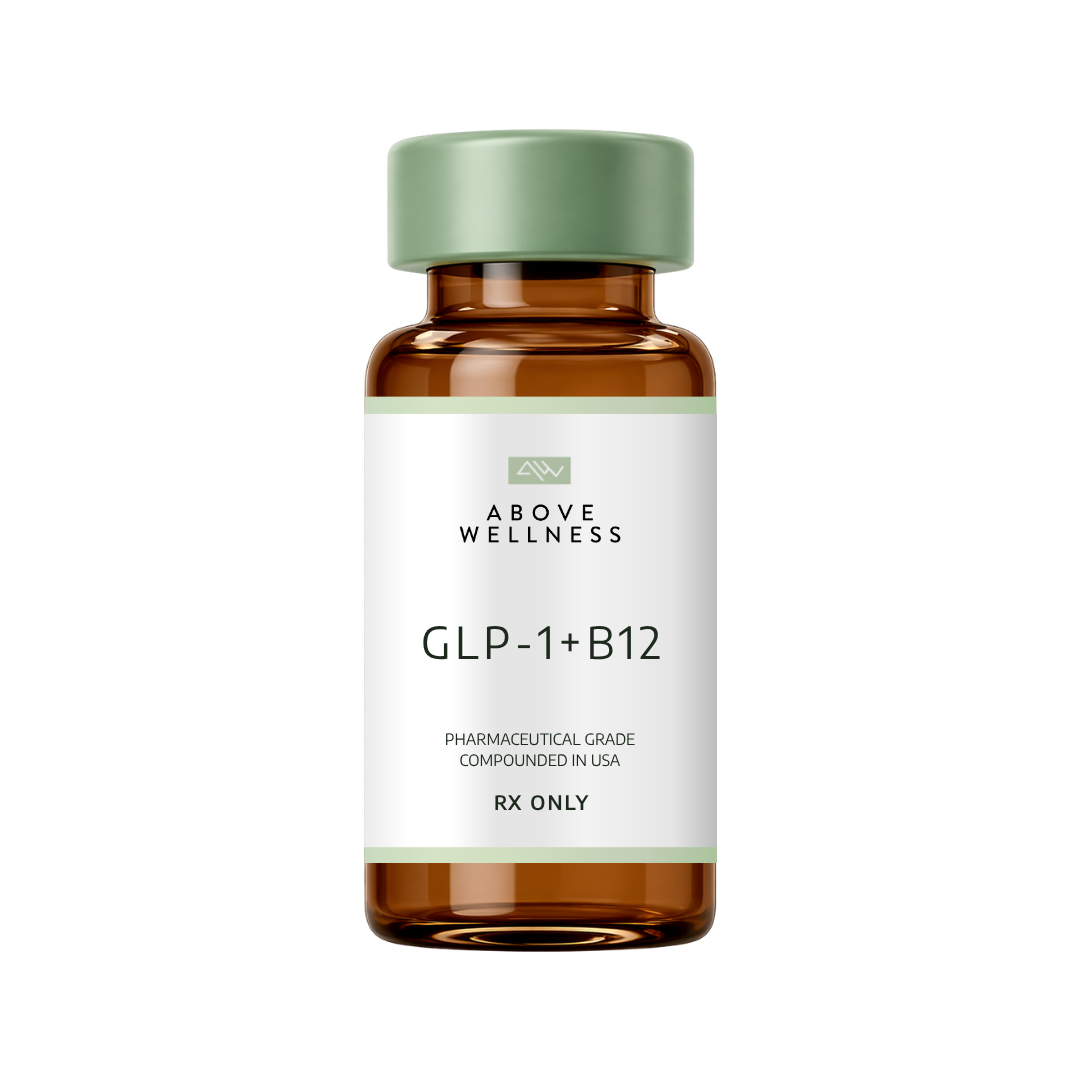
B12 is involved in producing red blood cells, maintaining a healthy nervous system, and converting food to energy
(PubMed) Kushi LH, Folsom AR, Prineas RJ, Mink PJ, Wu Y, Bostick RM
(2007) Thioredoxin Glutathione Reductase from Schistosoma mansoni: An Essential Parasite Enzyme and a Key Drug Target
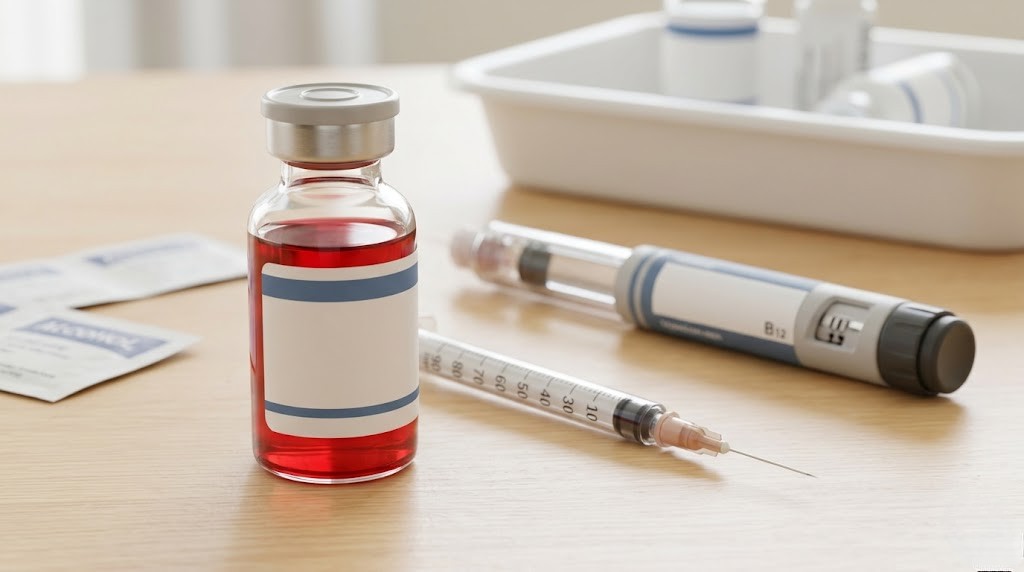
Research shows that B12 injections released into the blood boost energy and metabolism for several days or even weeks
Dysfunctional SIRT3 causes the accumulation of long-chain acylcarnitines (LCAC)