Is GHK-Cu Cream safe for all skin types
Clinically, B12 shots have long been used to treat cyanide poisoning
Shampoo: Orgainc Aloe Barbadensis Leaf Juice, Sodium C14-16 Olefin Sulfonate, Cocamidopropyl Betaine, Sodium Cocoyl Isethionate, Glycerin, Caffeine, MSM, Biotin, Pantothenic Acid, PEPTASTEM [Citrus Aurantium Dulcis (Orange) Callus Culture Extract, Centella Asiatica (Gotu Kola) Extract, Tripeptide-5, Palmitoyl Tetrapeptide-7, Acetyl Hexapeptide-8, sh-Oligopeptide1, Allantoin] , Hydrolyzed Keratin, Vitis Vinifera Fruit Cell Extract (Grape Stem Cell), L-Methionine, Myristoyl Pentapeptide-17, Fucus Vesiculosus (Seaweed) Extract, Clitoria ternatea Linn Extract, Niacin, Simmondsia Chinensis (Jojoba) Seed Oil, Brassicamidopropyl Dimethylamine, Arthrospira Platensis, Peppermint (Mentha) Oil, Lavender (Lavendula) Oil, Sage (Salvia officinalis L.) Oil, Bergamot (Citrus Bergamia) Oil, Tocopheryl (Vitamin E), Ethoxydiglycol, Caprylyl Glycol, Xanthan Gum, Guar Hydroxypropyltrimonium Chloride, Sodium Benzoate, Potassium Sorbate, GHK-Cu (Copper Peptide), Radish ferment, Sodium Chloride, Tetrasodium Glutamate Diacetate

The non-vitamin compounds (MIC) that are injected into the body stimulate the liver into optimizing the process of metabolism, elevate the movement of and utilization of fat, and provide the needed metabolic environment of the body for a fatty acid (fat) mobilization and utilization
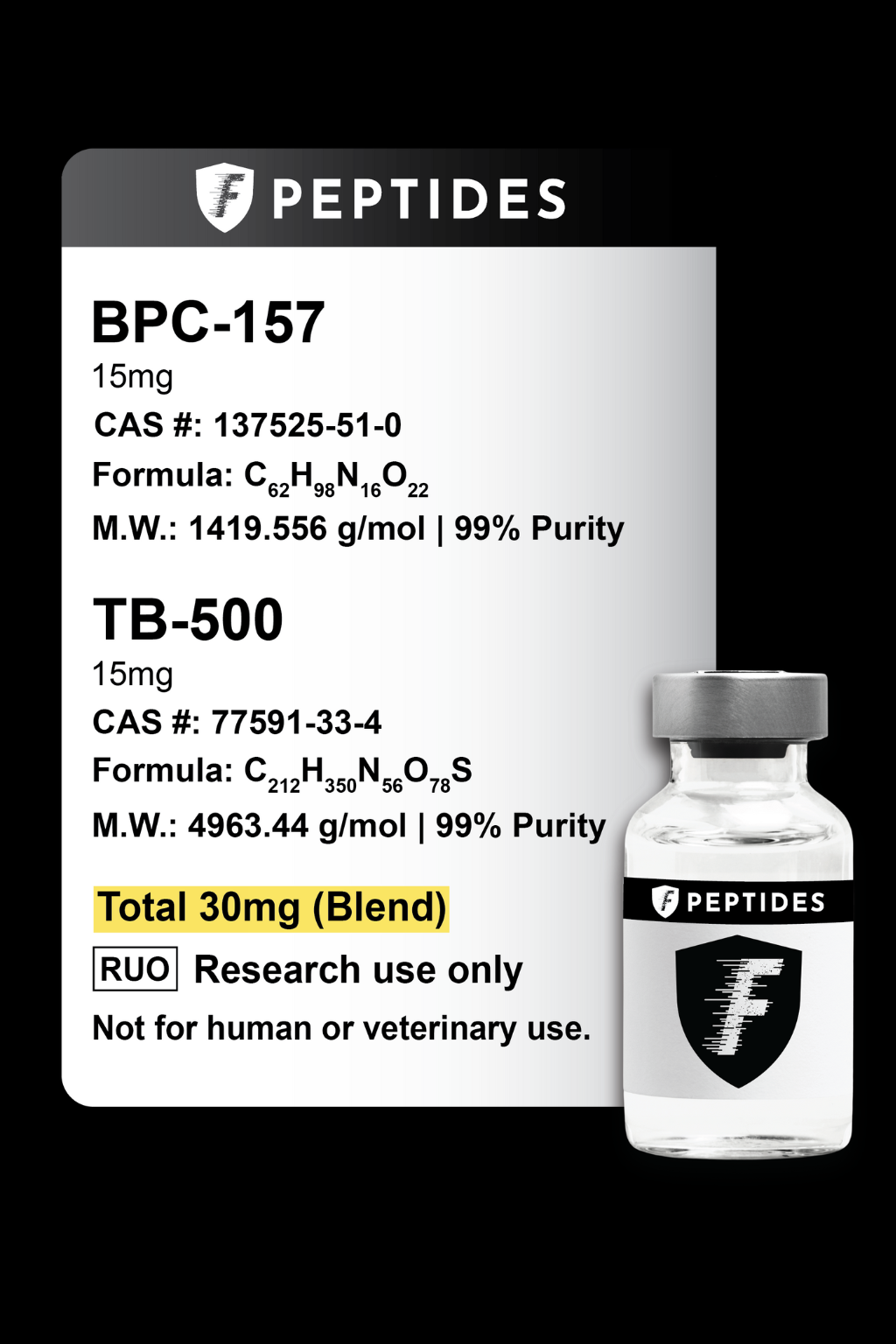
BPC-157 is now on the FDA's list of substances that cannot be used in compounding under 503A and 503B
Clinical Evidence Comparing Oral Cyanocobalamin/Salcaprozate Sodium Versus Intramuscular A pivotal Phase 3 clinical trial compared oral cyanocobalamin/SNAC with traditional IM cyanocobalamin in patients with B12 deficiency