Conclusion Concerns about a potential pancreatic cancer signal with GLP-1 therapy originated from early reports and limited datasets
Gastrointestinal symptoms including nausea, vomiting, diarrhea, constipation, and abdominal discomfortare the most frequently reported adverse effects, occurring in 20-30% of patients (varying by dose and population), particularly during dose escalation

incorrect dosing may exacerbate these effects Gallbladder problems GLP-1 receptor agonist use has been associated with gallbladder disease, including gallstones and cholecystitis Hypoglycaemia If retatrutide is used alongside insulin or sulfonylureas, there is an increased risk of low blood glucose Call 999 or go to A&E immediately if you experience: Difficulty breathing, throat swelling, or any signs of anaphylaxis Severe abdominal pain (which may indicate pancreatitis or a gallbladder problem) Rapid heart rate, dizziness, or collapse following injection Contact your GP or NHS 111 if you experience: Persistent nausea, vomiting, or inability to tolerate food or fluids Signs of infection at the injection site (increasing redness, warmth, swelling, or discharge) Upper right abdominal pain or pain radiating to the shoulder (possible gallbladder symptoms) Any unexpected or concerning symptoms following use If you feel unwell after using an unlicensed injectable, stop use immediately and bring the vial and any packaging with you when seeking medical attention, as this will assist healthcare professionals in assessing your situation
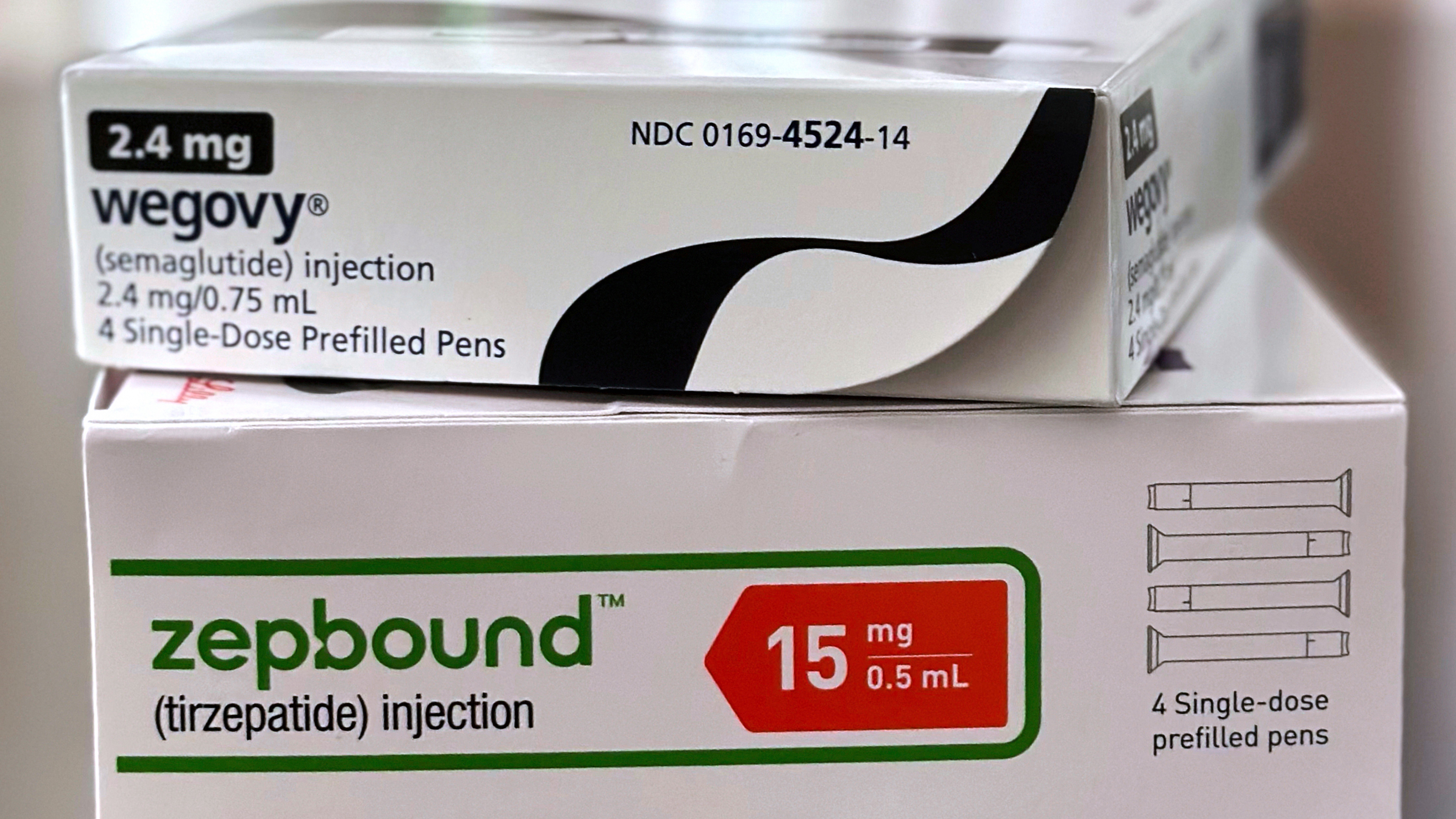
:max_bytes(150000):strip_icc()/GettyImages-2144475445-fcdc8d81403a42d99a7d568034d1ac90.jpg)
But switching between these drugs might be an option if one of these drugs is working for you but is causing certain side effects
CSU cannot be regarded as a typical Th2 disease but there are a subgroup of patients with Th2-related comorbidities and increased levels of circulating Th2 cytokines
Carpenter K














-1775582746855.png&w=3840&q=75)