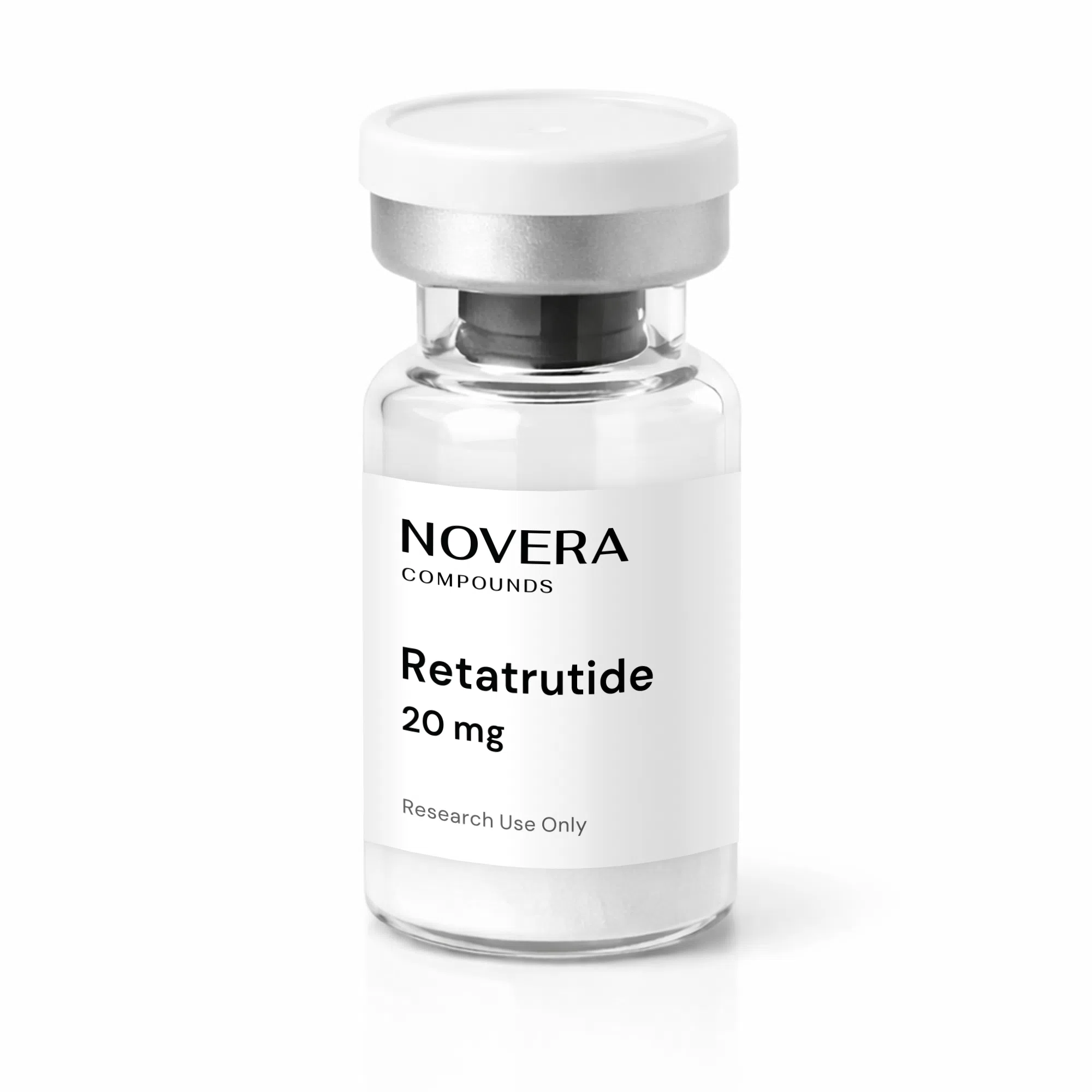
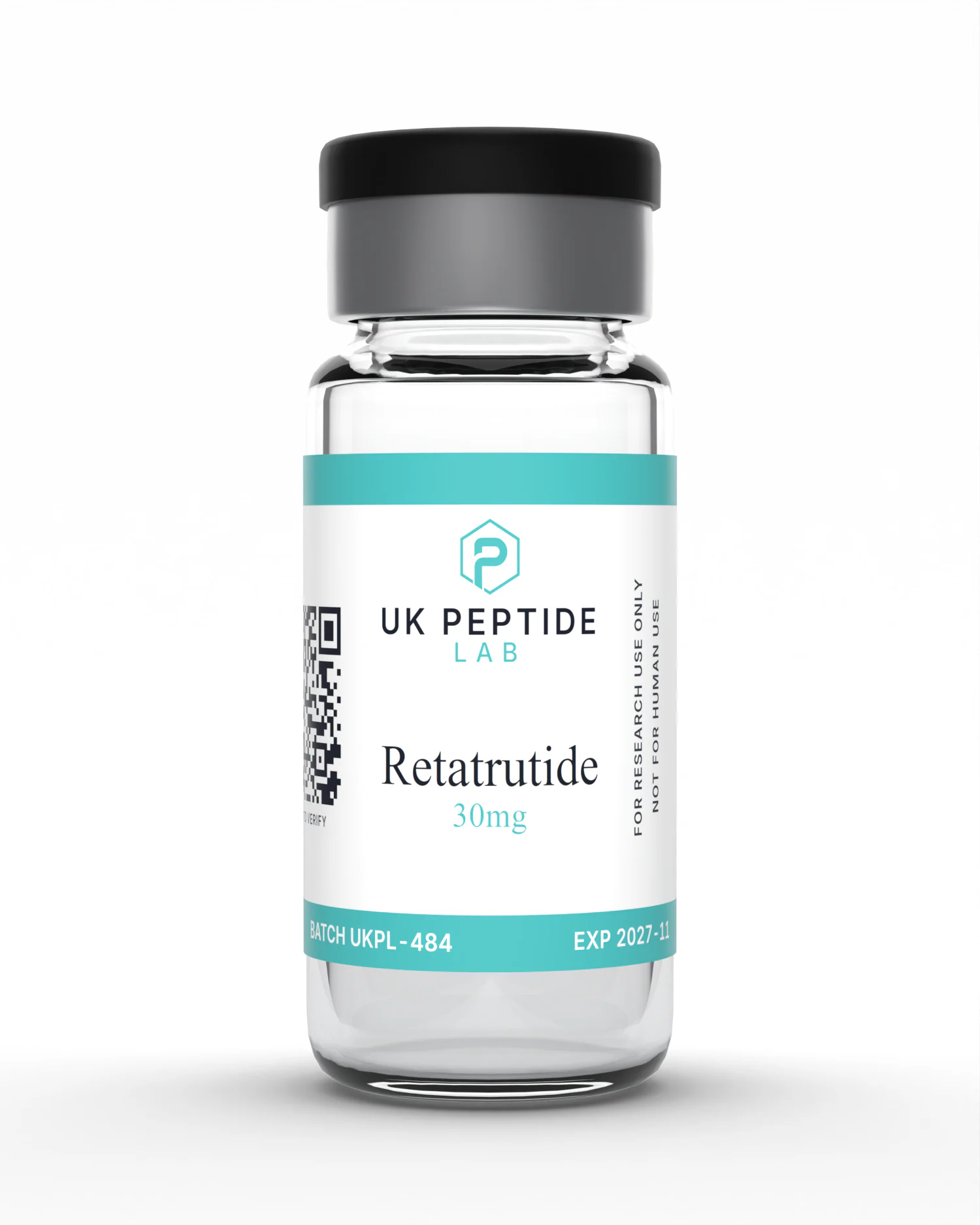
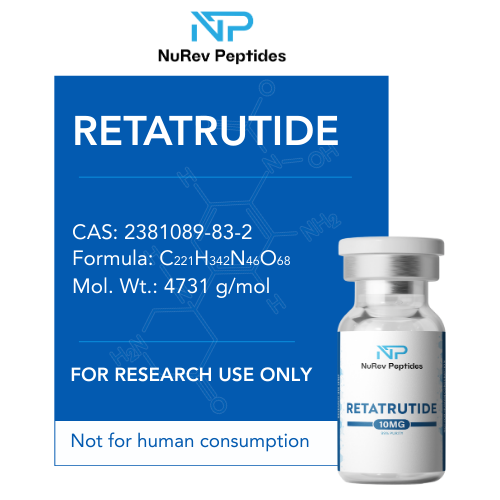
Structurally, GLP-RTis derived from the glucagon peptide backbone and consists of a 39-amino-acid sequence modified with targeted substitutions that enhance resistance to enzymatic degradation while preserving receptor affinity
In line with this, when the CV risk prediction model was applied to the semaglutide dataset it performed satisfactorily, both overall and when applied only to data from the glycemic efficacy trials, validating the utility of the LEADER model for this analysis
It activates both GLP-1 and GIP receptors, making it more effective than earlier single hormone injections
It sees ethanol as a toxin
Some patients use microdosing after completing a standard GLP-1 plan, while others may be eligible based on their medical history, goals, and provider recommendation
Coadministration of glucagon-like peptide-1 during glucagon infusion in humans results in increased protein synthesis, lipolysis, and energy expenditure