This fixed-dose combination emerged from recognition that targeting complementary pathways GLP-1 receptors through GLP1 and amylin-calcitonin receptors through cagrilintide could produce synergistic metabolic benefits exceeding either agent alone
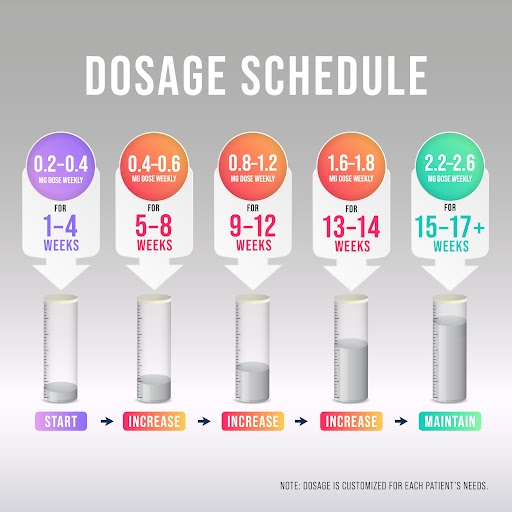
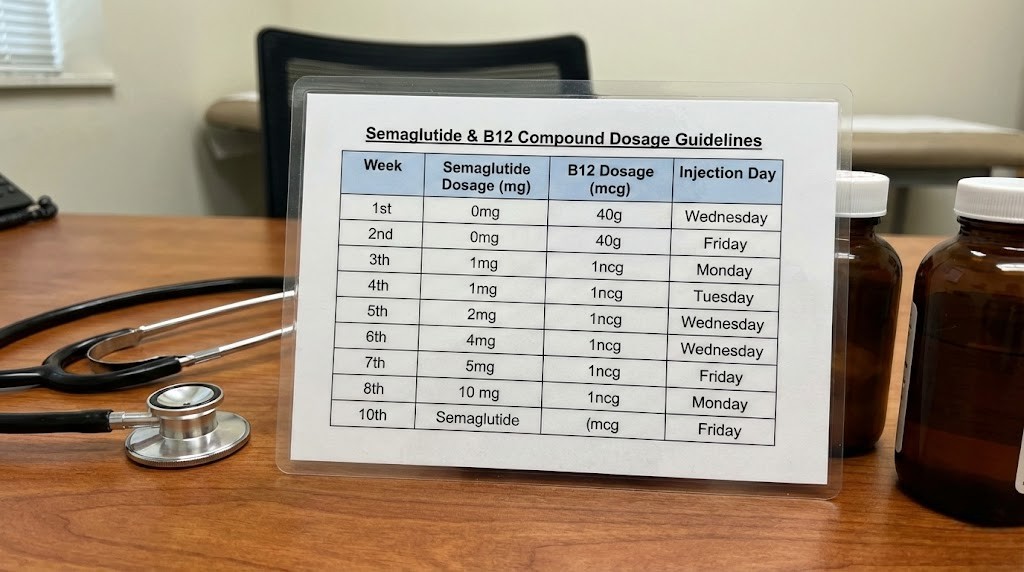
Because retatrutide is not a licensed medicine and has no approved SmPC, any reconstitution volumes described below are strictly illustrative of general peptide reconstitution principles and must not be interpreted as clinical dosing advice or as an endorsement of human use outside of a formal clinical trial
Cutrullis, R
Study limitations included the lack of generalizability to patients in later stages of ALS, risk of including ALS mimics, shorter treatment duration of 16 weeks vs the typical 24 weeks in other clinical trials, small sample size, and lack of evaluation of specific disease-related biomarkers
Anti-Inflammatory Properties Both peptides exhibit inflammation-modulating effects through different mechanisms: BPC-157 appears to influence inflammatory pathways by: Regulating cytokine expression Modulating nitric oxide systems Supporting vascular integrity during inflammation Protecting against NSAID-induced damage TB-500 contributes through: Reducing inflammatory cell infiltration Modulating immune responses Supporting tissue remodeling post-inflammation Decreasing oxidative stress markers This dual-action approach makes the combination particularly valuable for those dealing with chronic inflammatory conditions or acute injury recovery
Its small, relatively simple amino-acid composition without cysteine or a disulfide bridge is characteristic of this neuropeptide