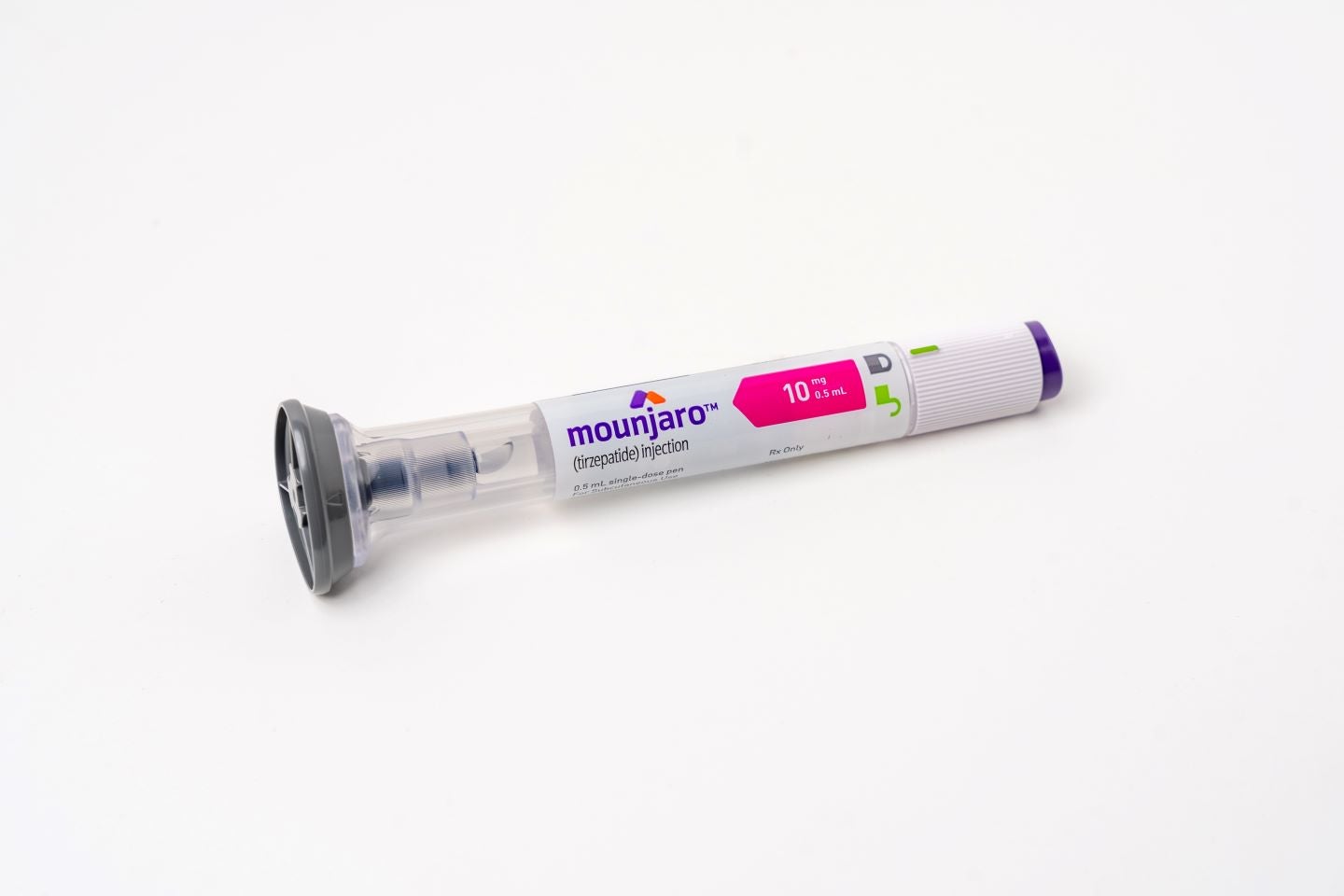
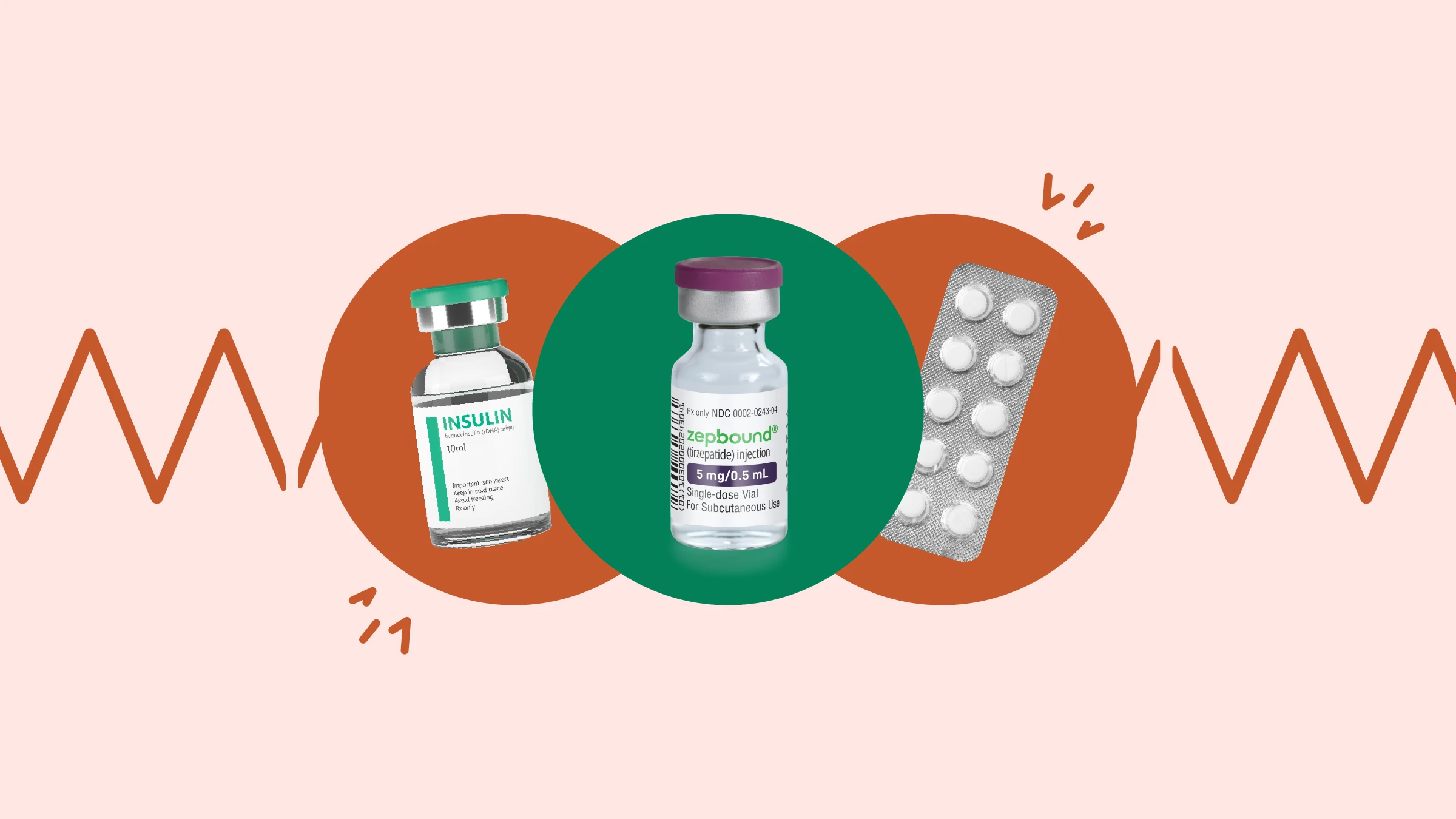
Current FDA labels document these patterns in detail: Wegovy (semaglutide) lists nausea (44% vs 16% placebo), vomiting (25% vs 6%), diarrhea (30% vs 16%), constipation (24% vs 11%), abdominal distension and eructation, with severe GI events in 4.1% versus 0.9% placebo.[2] Zepbound (tirzepatide) lists nausea, diarrhea, vomiting, constipation, abdominal pain, dyspepsia, eructation, and gastroesophageal reflux disease among common adverse reactions, with severe GI disease as a Warnings and Precautions item.[3] Both labels include postmarketing reports of ileus, severe constipation including fecal impaction, and acute kidney injury related to dehydration from severe GI symptoms
Researchers often pair it with studies examining satiety pathways, metabolic control, and receptor-driven response patterns
Originally discovered in the 1970s, GHK-Cu plays a significant role in stimulating collagen synthesis and improving tissue repair
GLP-1 medications like semaglutide and tirzepatide can be powerful tools but they also come with side effects that dont get talked about enough
Vitamin C helps recycle glutathione into its active form, enhancing overall antioxidant protection and skin brightening effects
Diabetes Obes Metab 2020;22:234855.PubMed 55