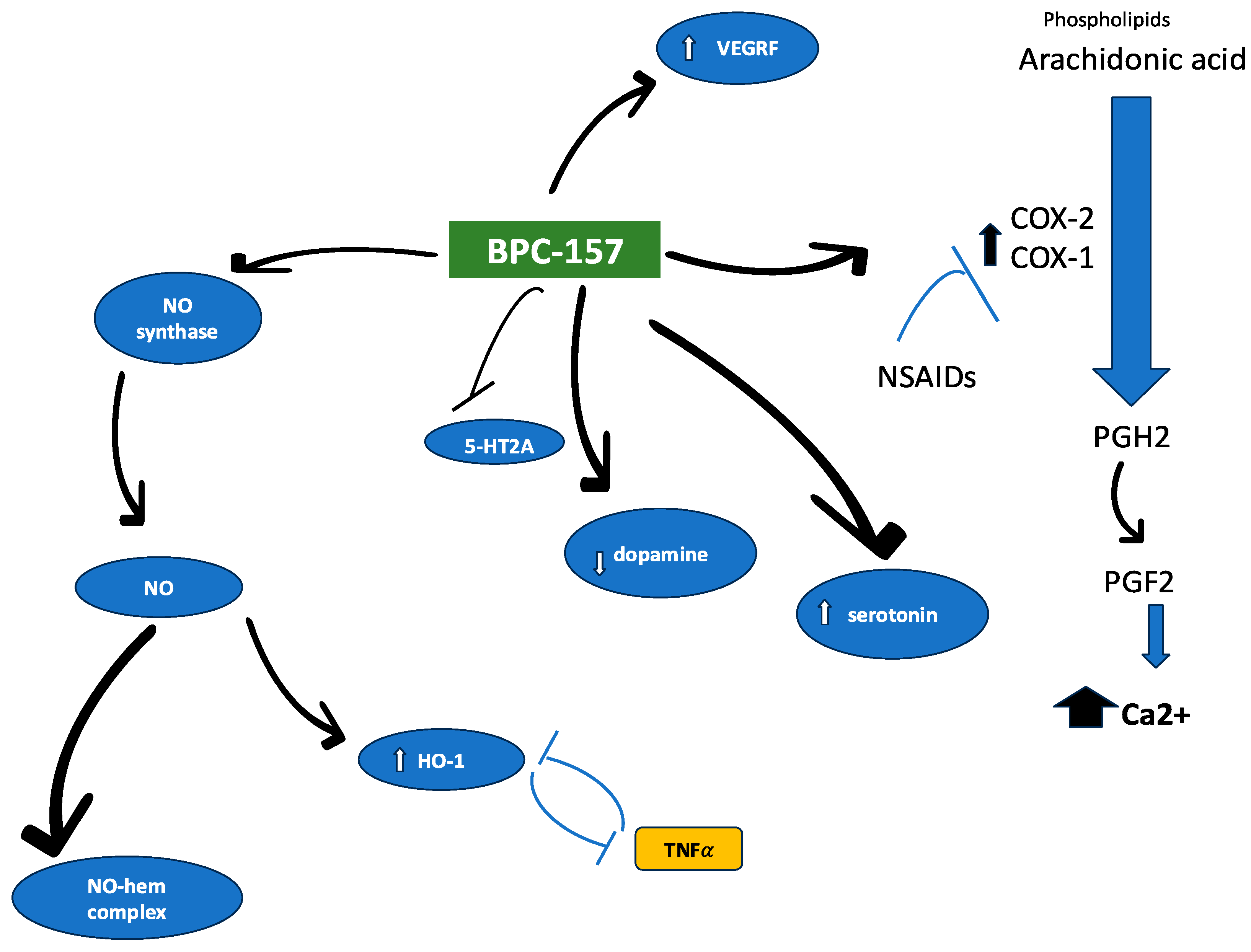
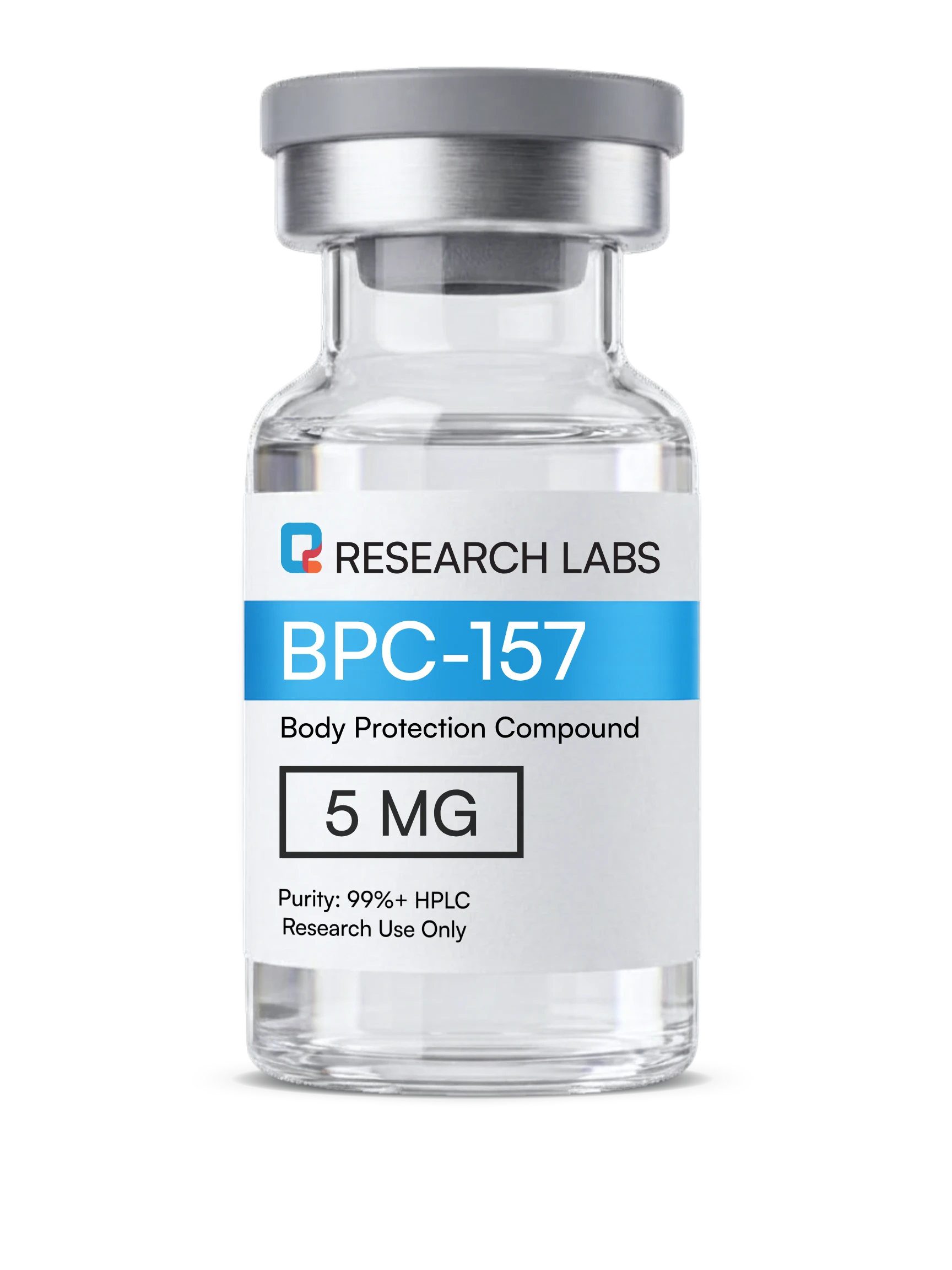
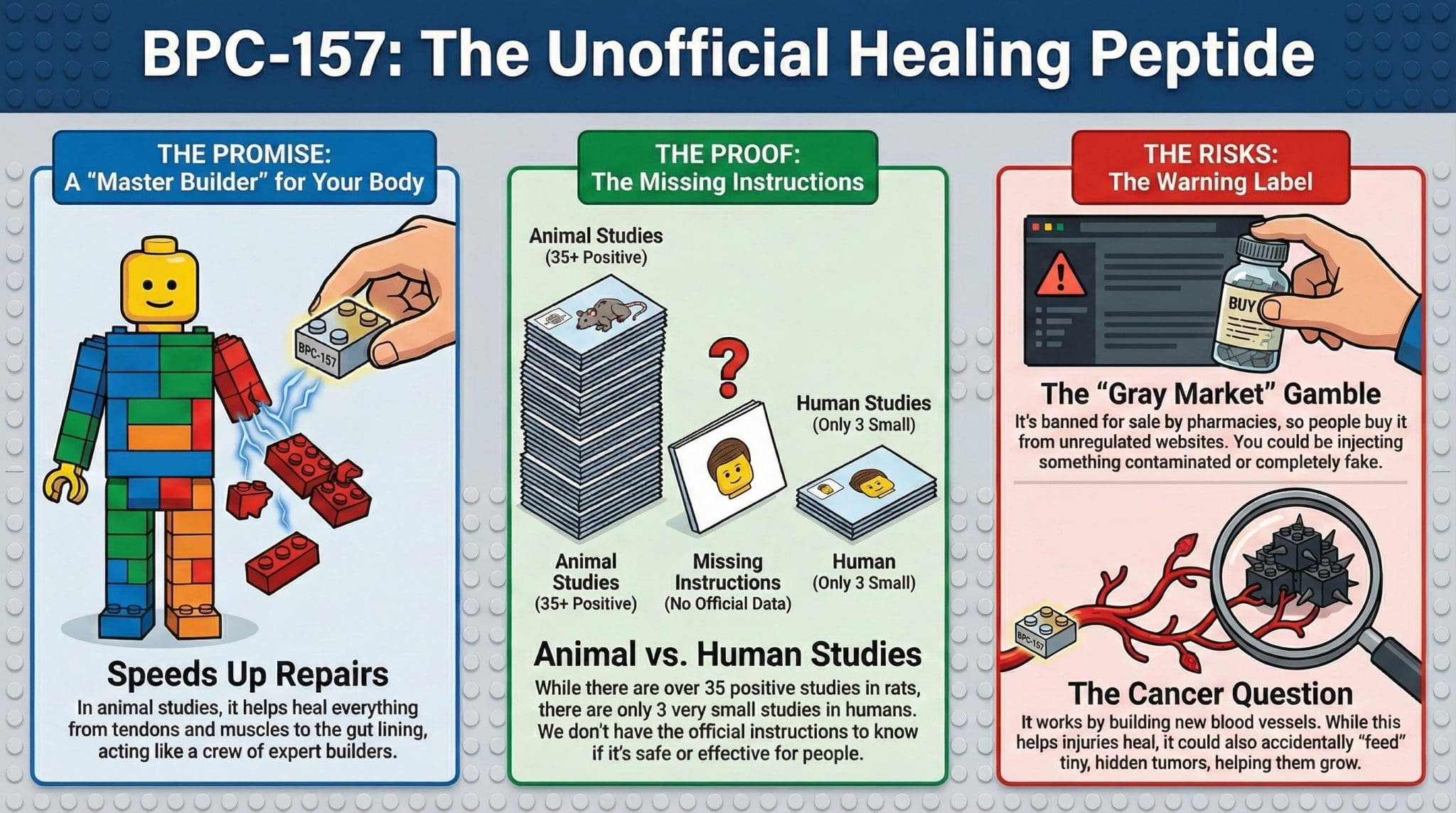
But important limitations exist: Most research is in animals, not humans Long-term safety beyond 12 weeks is uncharacterized Drug interactions haven't been formally studied Cancer relationship remains unclear Who should consider BPC-157: Those researching recovery support for injuries or gut issues Individuals willing to accept calculated risk with an experimental peptide People who can work with a knowledgeable healthcare provider Who should avoid it: Those with active cancer or high cancer risk Anyone on medications that might interact (especially cardiovascular, dopamine-affecting) Individuals unwilling to monitor their response carefully If you choose to use BPC-157, start conservatively (200 mcg daily), use proper injection technique, source from reputable suppliers, and track your body's response
Research in PMC shows that NNMT inhibition: Normalizes glucose tolerance Reduces fasting blood glucose levels Increases production of PAHSAs (anti-diabetic lipids) Improves insulin signaling in fat and muscle tissue This makes 5-amino-1MQ particularly interesting for people with prediabetes or metabolic syndrome
Figure 6 3.5.1.2 Theme 2: Types of pills and general medication practices Posts under this theme (Figure 7) focus on specific types of pills, such as tablets and worm medications, and the general practices involved in giving these pills to dogs
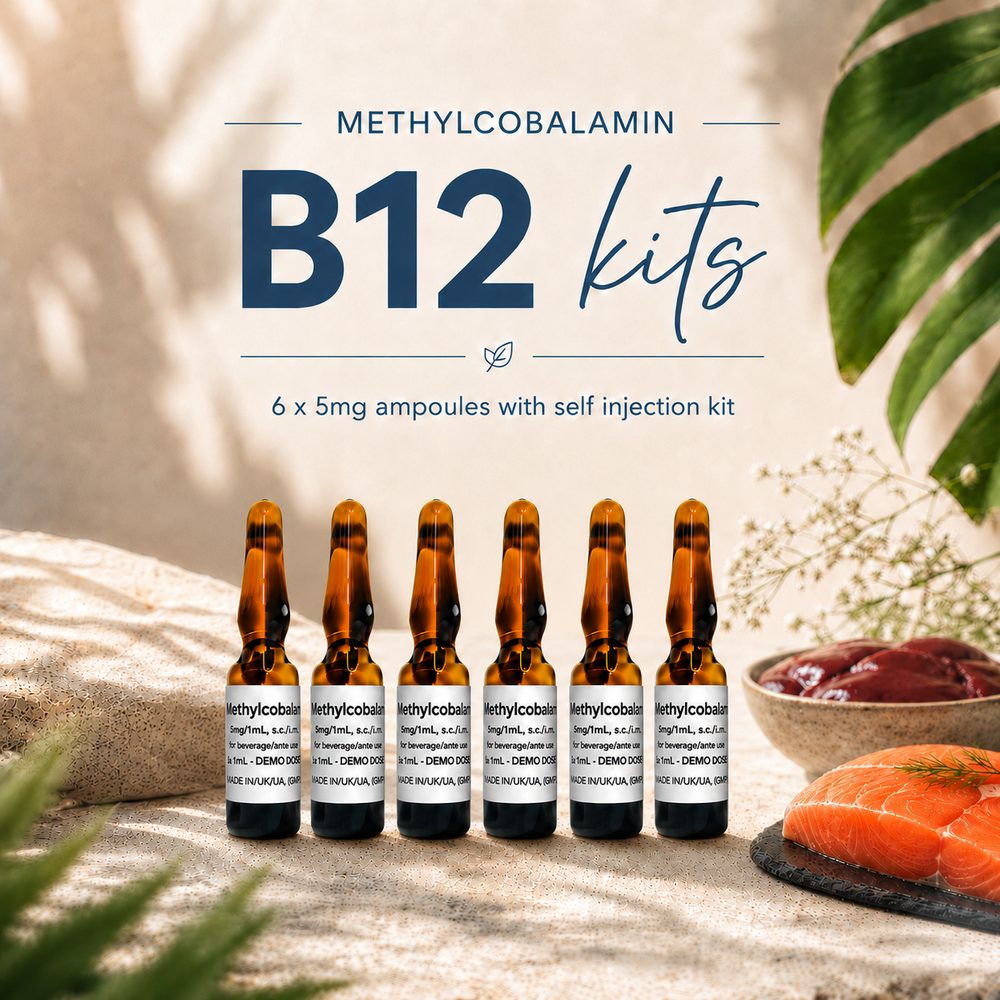
Uncover the significance of B12 Shots & B12 Injections: The Good, Bad, and Alternative
Does BPC 157 Build Muscle
Counteracts NSAID Damage BPC-157 has been uniquely shown to reverse the gastrointestinal damage caused by NSAIDs (ibuprofen, naproxen, aspirin)